





Stakeholders in the HIV response sector in Kogi State have raised concerns over the shortage of key HIV prevention commodities in health facilities across the state, warning that the situation could reverse gains made in the fight against the disease.
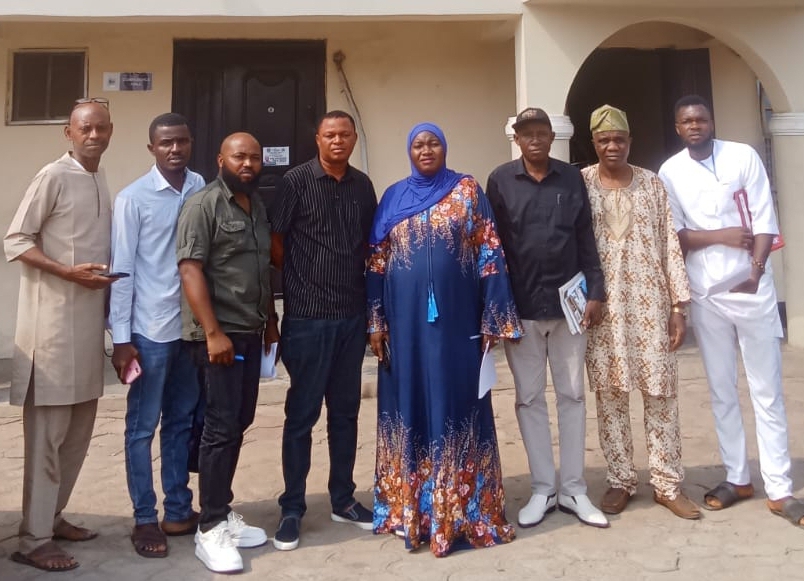
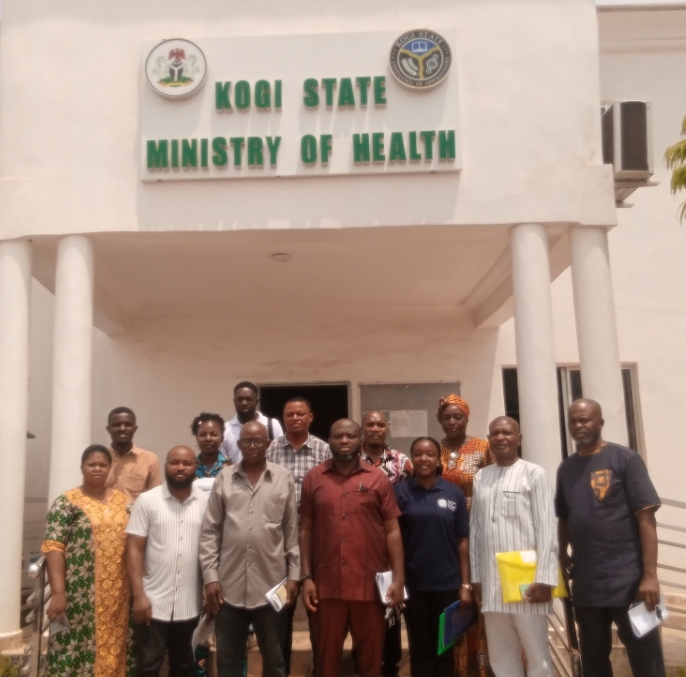
The concern was raised on a communique issued on Thursday after a multi-stakeholder advocacy visit organized by Community-Led Monitoring (CLM) project being implemented by SAVE Initiative, RECEF and Goshen Foundation held at the Kogi State Ministry of Health in Lokoja on Tuesday.
Participants at the meeting included members of the AIDS, Tuberculosis and Malaria (ATM) Circle, comprising representatives of the Kogi State Agency for the Control of AIDS (KOSACA), Network of People Living with HIV/AIDS in Nigeria (NEPWHAN), Association for Civil Rights of the Marginalised (ACORMI), RAPA, media practitioners, and community-based organisations.
The advocacy team presented evidence of the increasing stockout of condoms and lubricants in several health facilities across the state, stressing that the development poses a serious threat to HIV prevention efforts.
According to the stakeholders, condoms remain one of the most effective and affordable tools for preventing the transmission of sexually transmitted infections, including HIV and AIDS.
They noted that the continued absence of such commodities in health facilities could expose vulnerable groups such as young people, key populations and sexually active adults to a higher risk of infection.
Responding, the Executive Secretary of KOSACA, Dr. Monday Adejoh, acknowledged the concerns and disclosed that the agency currently has a considerable quantity of condoms and lubricants in stock.
He explained, however, that the delay in distribution was due to accountability concerns following past incidents where free commodities supplied by the government and development partners were allegedly diverted and sold in private pharmacies and brothels.
According to him, the diversion prevented the commodities from reaching intended beneficiaries and undermined public health interventions.
Dr. Adejoh said the agency had therefore become cautious in distributing the commodities without a reliable tracking and monitoring framework.
He called on community-based organisations and partners within the ATM Circle to collaborate with KOSACA in developing a transparent system that would ensure proper monitoring of the distribution process.
Also speaking, Chairman of the Kogi State chapter of ACORMI, Mr. Sani Abubakar, recommended the adoption of a commodity tracking model similar to that used for monitoring malaria drugs.
He suggested that Local Government HIV/AIDS officers and in-charges of HIV units in health facilities should be involved in the distribution and monitoring process to ensure accountability.
Mr. Abubakar also proposed that health facilities maintain proper registers documenting how condoms and lubricants are dispensed to clients.
He added that strict sanctions should be imposed on individuals found diverting commodities meant for public use.
The meeting also discussed the shortage of HIV test kits in the state.
Dr. Monday Adejoh disclosed that KOSACA currently lacks the financial capacity to procure additional test kits, noting that the agency has not received a functional budget allocation for about five years.
He explained that without an approved budget line, the agency cannot formally request procurement of the kits through the Ministry of Health.
The KOSACA boss, said he met the state’s budget cycle at an advanced stage, which limited the opportunity to include the commodity needs in the current fiscal plan.
He, however, expressed optimism that the situation could improve if the state government approves a supplementary budget later in the year.
Discussions during the meeting also highlighted the availability of Pre-Exposure Prophylaxis (PrEP) and other HIV commodities with an implementing partner, the Centre for Integrated Health Programmes (CIHP).
However, stakeholders were informed that distribution had been affected by supply chain disruptions linked to recent international funding policy changes.
CIHP representatives explained that although commodities are available within the state, they cannot be released without approval from the organisation’s national headquarters in Abuja to avoid compliance issues with international donors.
At the end of the meeting, stakeholders agreed on several measures, including the immediate development of a transparent commodity tracking system and the strengthening of accountability mechanisms in the distribution of HIV prevention commodities.
They also recommended training for Local Government HIV/AIDS officers and health facility managers on proper commodity management and documentation.
The stakeholders emphasised that improved coordination and sustained advocacy would be critical in ensuring that essential HIV prevention commodities reach vulnerable populations across the state.